High-quality Power System Studies: incident energy, arc flash and reports compliant with IEEE 1584 & NFPA 70E (and Brazilian NR-10 / ABNT NBR 17227)

Comprehensive technical expertise across the full spectrum of electrical power system studies

200+

Completed Projects

20+

Services Offered

15

Years of Experience

Explore each of our services in detail:

01

Incident Energy Analysis (Arc Flash) per NBR 17227:2025 and IEEE 1584

02

Protection Coordination & Selectivity

03

Load Flow Study

04

Harmonic Analysis

05

Motor Starting Study

06

Grid Impact Study (System Impact Report)

07

Detuned Capacitor Bank Specification

08

Short-Circuit Studies

09

Technical Reports & Forensic Engineering

Already have a Single-Line Diagram?

Send it over and get a quote today

The single-line diagram is essential for understanding, maintaining and ensuring the safety of electrical systems. We represent every element with technical rigor and full standards compliance, providing confidence in projects, audits and legal proceedings.

Incident Energy Analysis

We assess the arc flash risk in your facilities, calculating incident energy levels (cal/cm²) per IEEE 1584 and selecting PPE with an ATPV (or EBT) equal to or greater than the incident energy at each point to ensure worker safety — also compliant with Brazilian NR-10 and ABNT NBR 17227.

Software

Our edge is the combination of deep expertise with advanced engineering technologies and software.
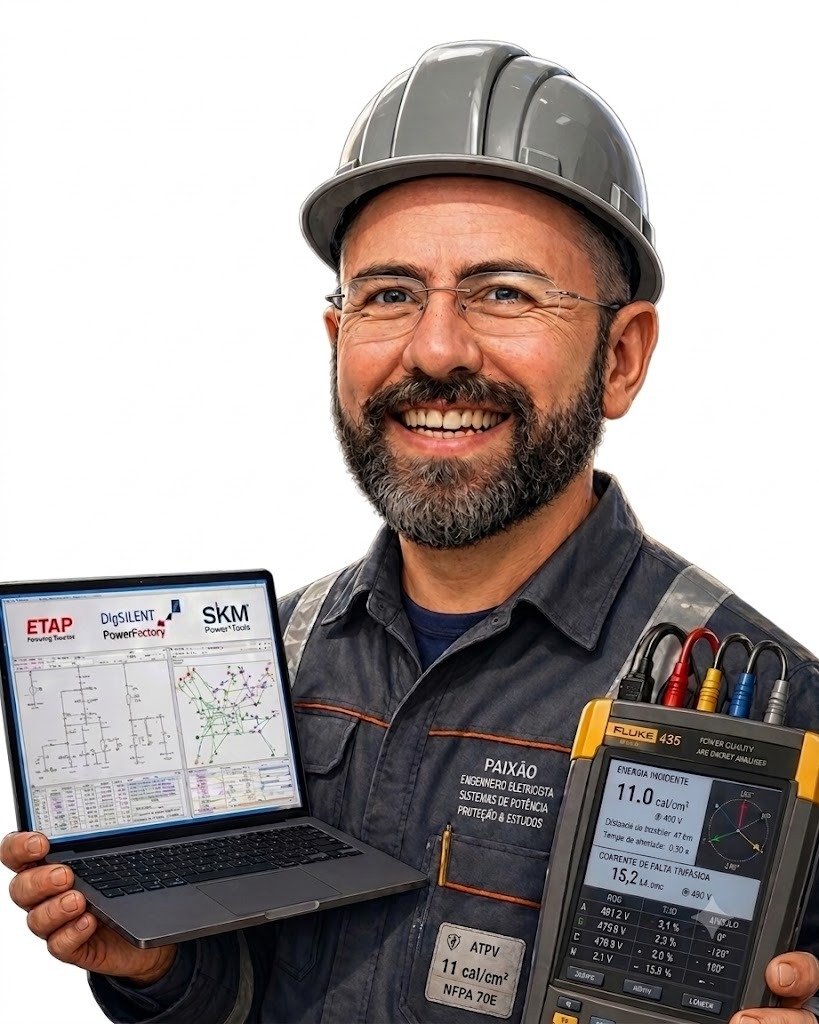
Engenheiro eletricista Alessandro Paixão, especialista em estudo de energia incidente e arc flash conforme a NR-10

Who We Are

Mission

Our value lies in comprehensive technical expertise across the full spectrum of power system studies — from protection and system optimization analyses to grid impact reports and specialized forensic engineering.

Purpose

To deliver high-quality power system studies that ensure the safety, efficiency and reliability of our clients' installations, contributing to a smarter and more sustainable energy future.

Some of our partners

Need a
Single-Line Diagram?

Get a complete document, ready for inspections, maintenance and approvals with full technical backing.

Delivering high-quality power system studies.

Articles on power system studies, standards and best practices.

Frequently Asked Questions

We’ve gathered the most common questions about our services, processes and deliverables so you have full clarity.
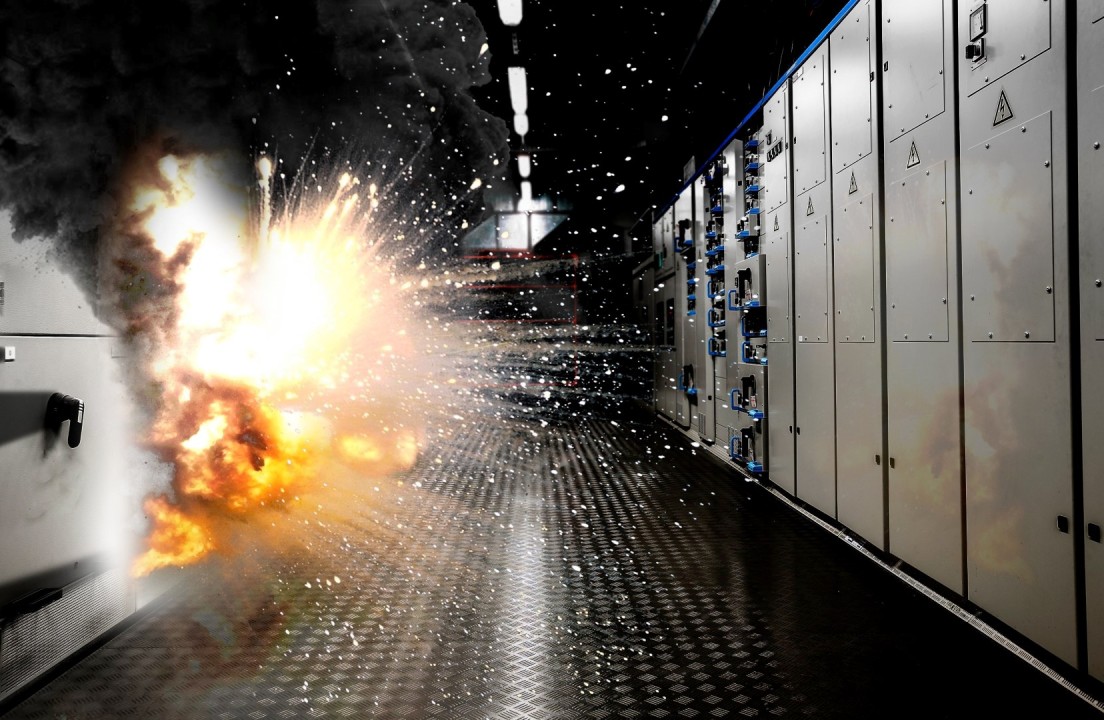
Engenheiro eletricista realizando estudo de energia incidente e laudos elétricos conforme a NR-10
An incident energy analysis calculates the thermal energy (in cal/cm²) released by an electric arc at each point of the installation, per IEEE 1584:2018, NFPA 70E and the Brazilian standard ABNT NBR 17227:2025. This value defines the arc flash boundary (LAS) and the protective clothing for each activity: an arc rating (ATPV or EBT) equal to or greater than the incident energy. Under Brazil’s new NR-10 (Ministry of Labor Ordinance No. 737/2026, in force from June 1, 2027), PPE may be selected from the Annex IV tables only within the conditions they set; outside them, the incident energy analysis is mandatory. The analysis is also what supports the arc flash labels on switchgear and panels.
International practice (IEEE 1584 and NFPA 70E) requires arc flash risk assessment and PPE selection. In Brazil, the new NR-10 (in force from June 1, 2027) organizes the selection of arc flash PPE into two paths: the Annex IV tables, valid only within the conditions they set, and the incident energy analysis, mandatory outside those conditions or when lower-category PPE is to be used. ABNT NBR 17227:2025 standardizes the incident energy calculation, the definition of protection boundaries and the minimum content of the arc flash label (item 7.2). In practice, when the Annex IV tables do not apply, the installation needs a technical study that calculates cal/cm² at each point, defines the correct PPE per activity, and generates identification labels for switchgear and panels.
The short-circuit study calculates fault currents (three-phase and phase-to-ground) at each point of the system, per IEC 60909 or ANSI, and is the basis for sizing equipment and setting protection. Protection coordination & selectivity then uses those results to set relays, circuit breakers and fuses so that, in the event of a fault, only the device closest to the fault trips, isolating the problem without shutting down the entire system. The two studies are complementary: selectivity is only reliable when built on a consistent short-circuit study.
Yes. The ArcFlash Platform has a free demo version where you can calculate incident energy (Ei) and the arc flash boundary, plus free tools such as reactive power and power factor, CT sizing, LV cable sizing (IEC / ABNT NBR 5410), motor starting and panel temperature rise (IEC 60890). The PDF calculation report and the ANSI / IEC / NBR label generation are available only in the full version. It is the ideal way to learn the method before requesting an official study.
Just reach out via WhatsApp +55 (67) 9 8131-7507 or email alessandro@estudoseletricos.com. For a faster and more accurate quote, send the single-line diagram of the installation and, if available, equipment data (transformers, circuit breakers, relays and cables). Based on that, we’ll come back with the scope, timeline and price of the study. If you don’t have a single-line diagram yet, we can prepare one for you too.